
Hit enter to search or ESC to close

The Silent Blue of Santorini

An editorial journey through the deepest blue of the Cyclades, where time slows to the rhythm of the Aegean tides and salt-crusted memories.

By George Pilianidis

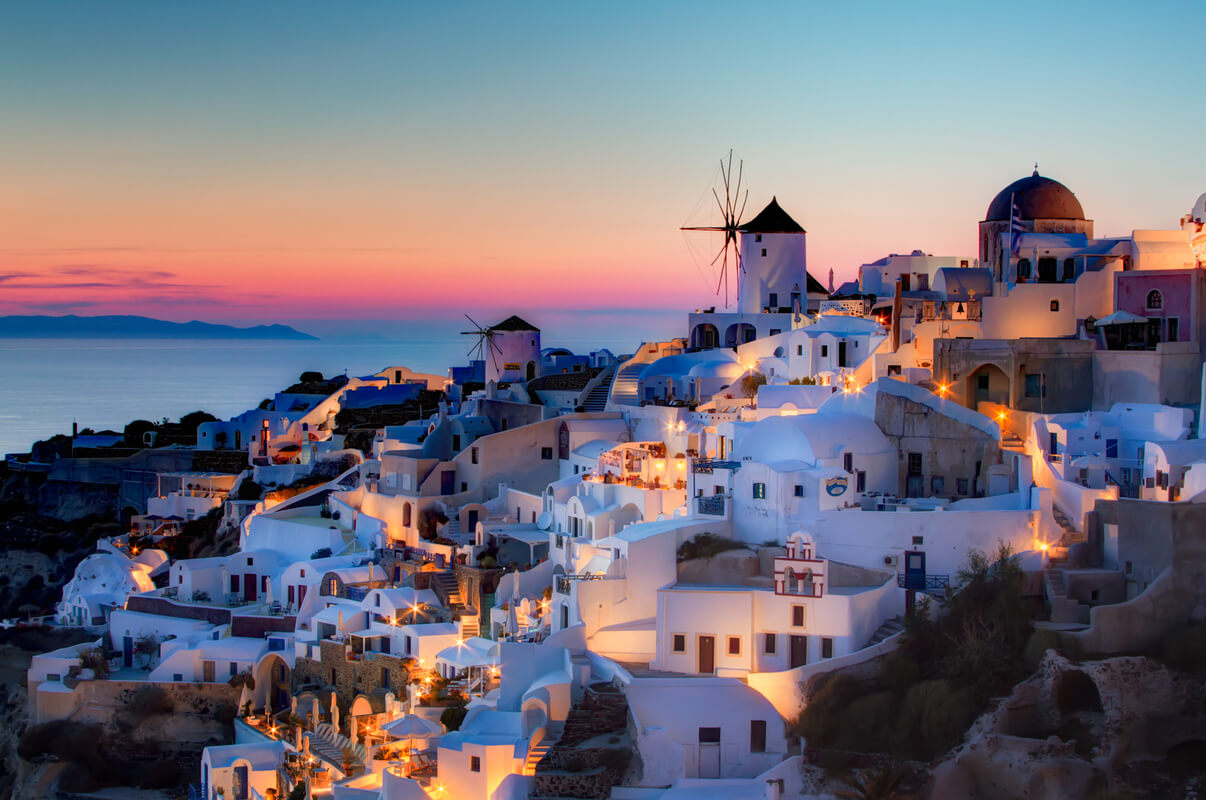
Oia Santorini

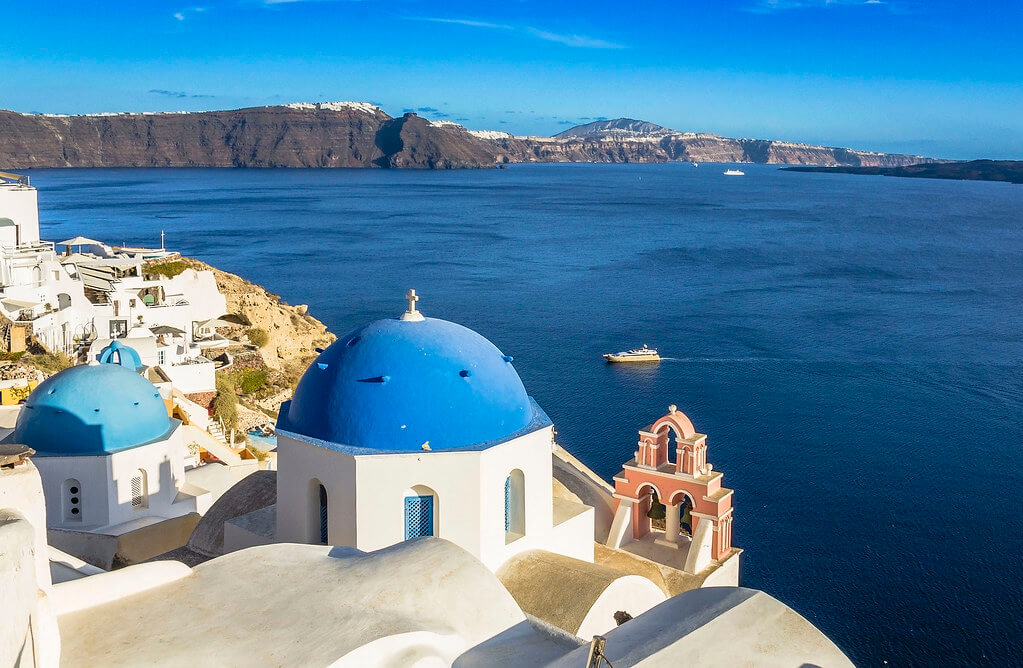
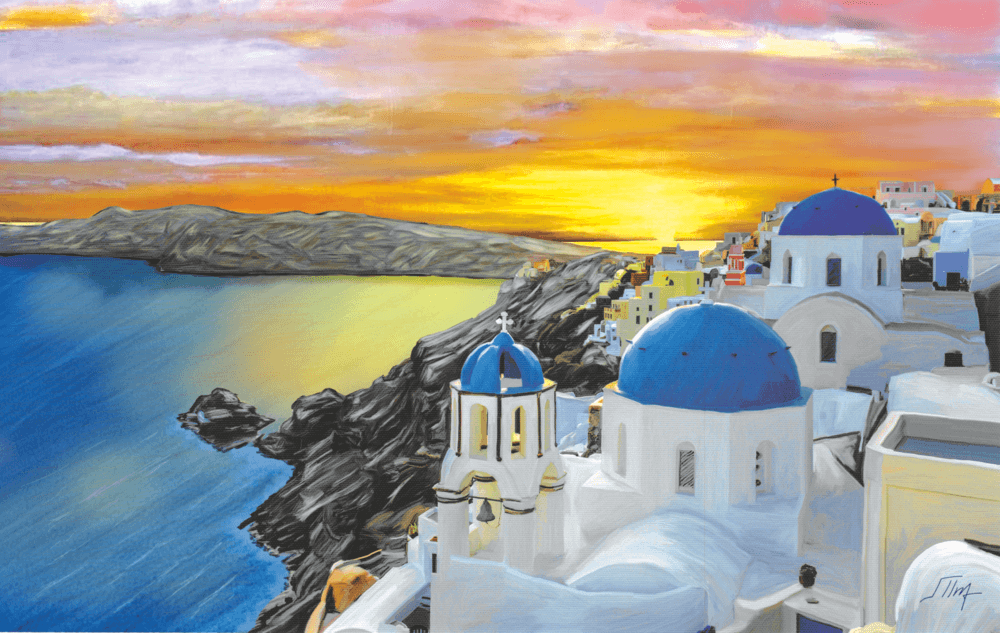
Perched on the northern tip of Santorini, Oia is the island’s most iconic village, known for its whitewashed houses, blue-domed churches, and dramatic views over the Aegean Sea. Built along the caldera cliffs formed by a volcanic eruption, Oia offers some of the most photographed sunsets in the world, drawing crowds each evening to its ...
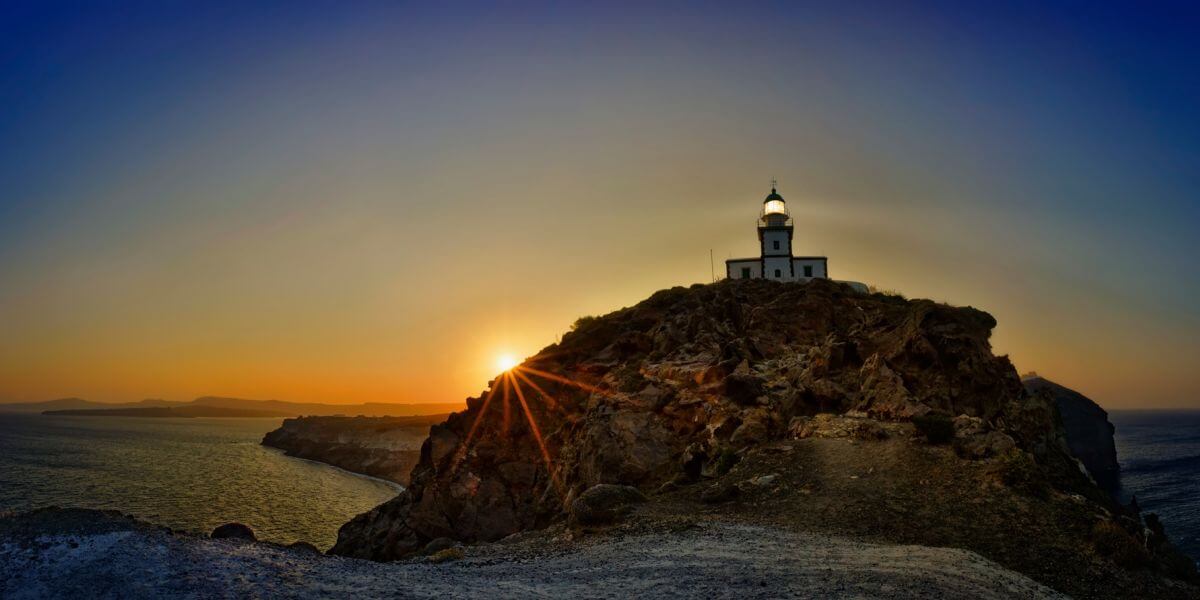
The lighthouse on Santorini

The lighthouse on Santorini, known as the Akrotiri Lighthouse (Faros), stands on the island’s southwestern tip near Akrotiri. Built in 1892, it was one of Greece’s earliest modern lighthouses, guiding ships through the busy and often hazardous Aegean routes. Its location is strategic—marking the edge of the caldera and warning vessels of steep volcanic cliffs ...

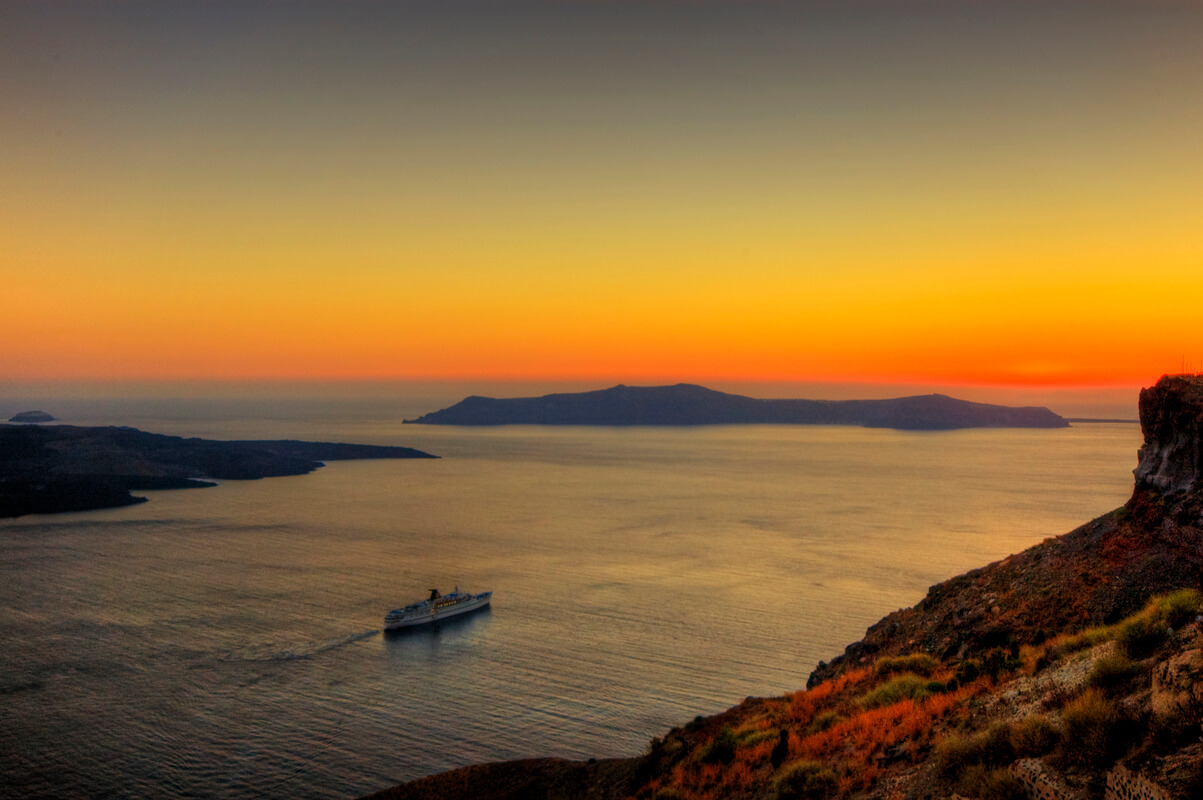
Therasia

Therasia a small island across of Oia formed as part of the same volcanic system as Santorini. Before about 1600 BCE, Santorini was a nearly circular island. The massive Minoan eruption caused the central part of the island to collapse, creating the caldera. This collapse split the original landmass into separate islands—Santorini (Thira), Therasia, and ...

Karavolades Steps

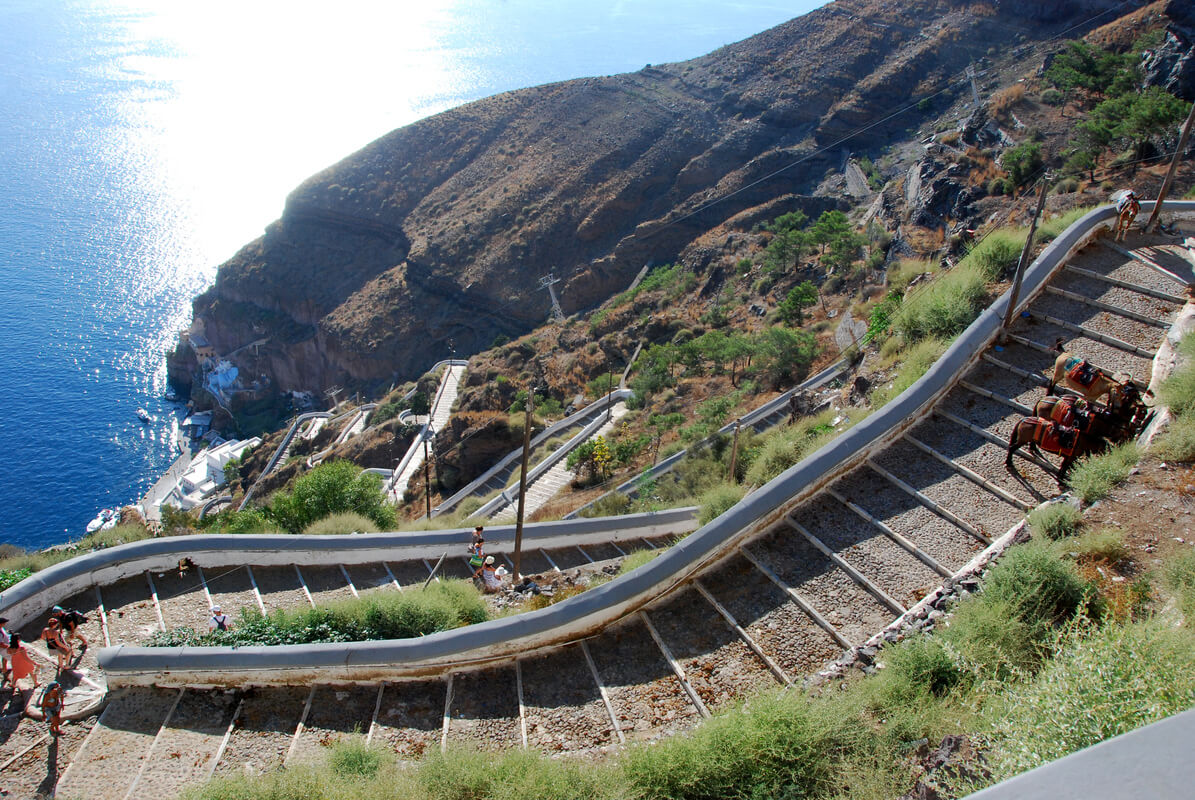
The famous Santorini staircase—often called the Karavolades Steps—is located in Fira, connecting the town above to the Old Port below. Carved into the steep caldera cliffs, it consists of roughly 500–600 zigzagging steps. Historically, it was the island’s main route for moving people and goods between sea and town, long before roads or the Santorini ...

The Red Beach of Santorini

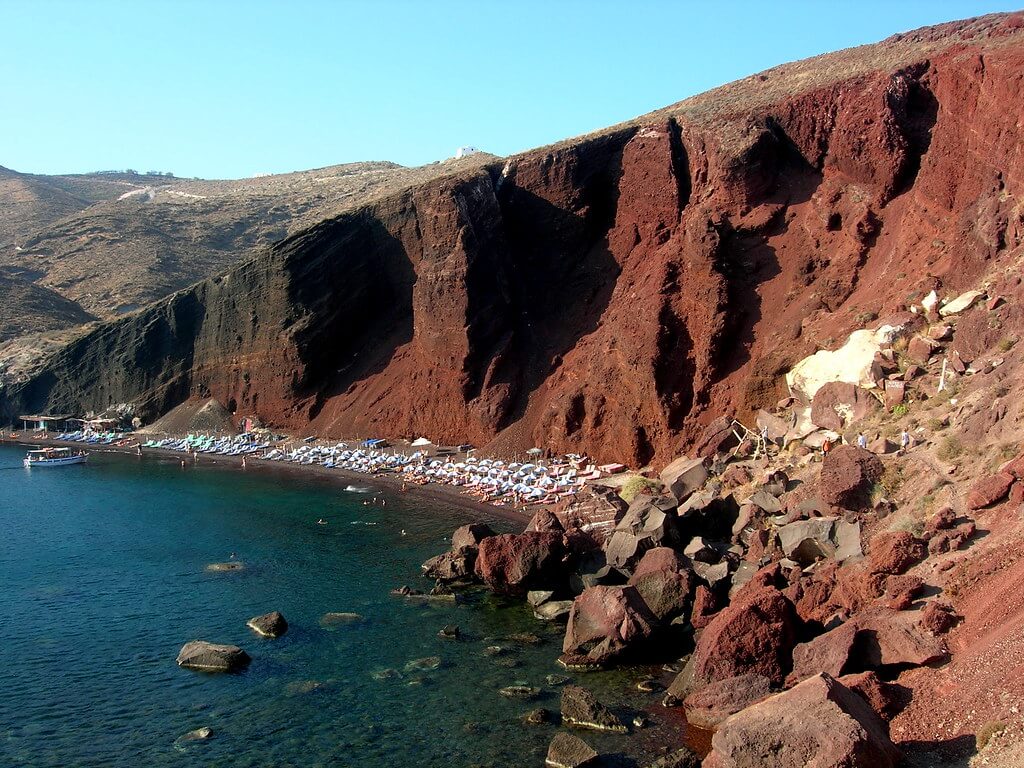
The Red Beach of Santorini, near Akrotiri, is one of Greece’s most striking shores. Its deep red sand and towering crimson cliffs come from iron-rich volcanic rock, formed by repeated eruptions of the island’s volcano. Historically, it sits beside the ruins of ancient Akrotiri, a thriving Bronze Age settlement buried by the Minoan eruption around ...

Santorini ancient sites

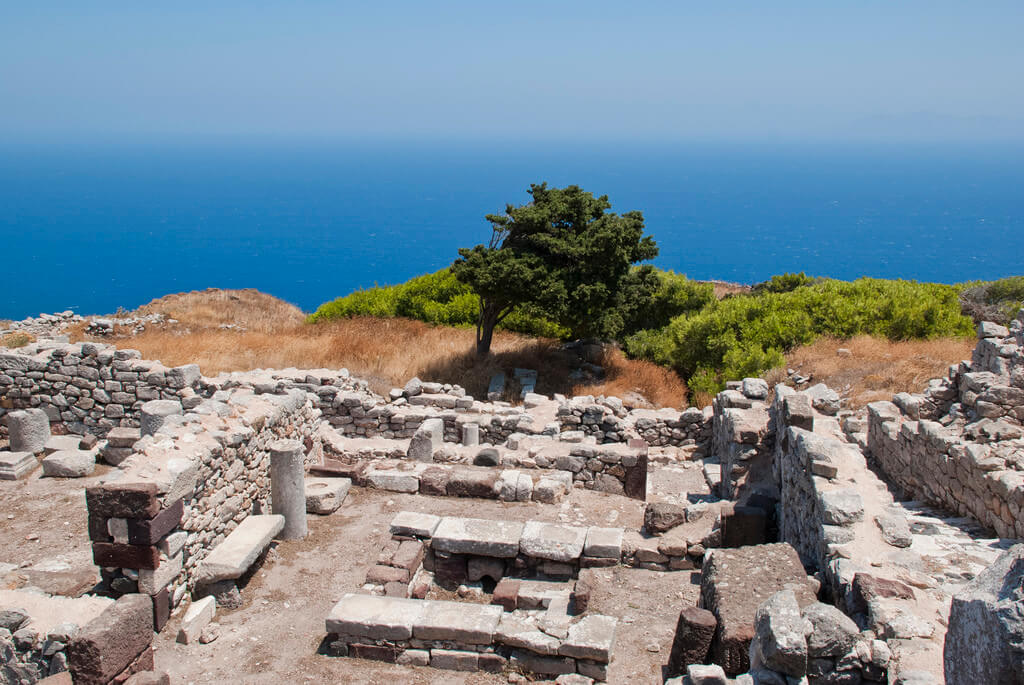
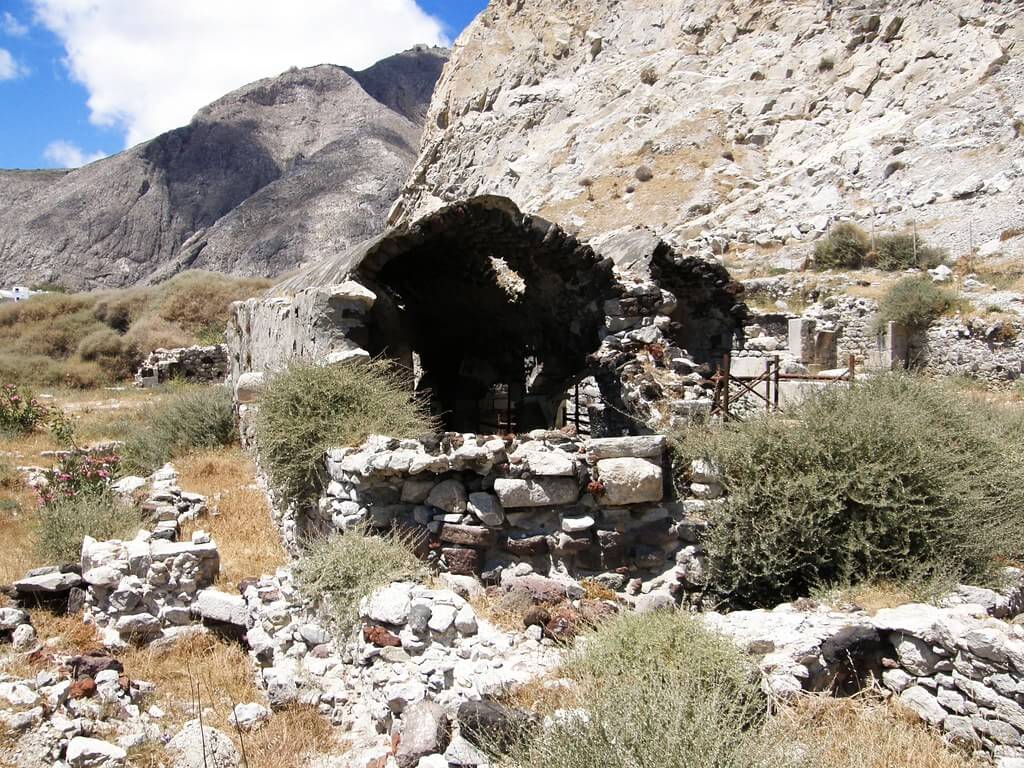
Santorini hosts remarkable ancient sites. Akrotiri is a Bronze Age city buried by the Minoan eruption (~1600 BCE). Its multi-story buildings, drainage systems, and vivid frescoes show a highly advanced society. On a ridge above Kamari lies Ancient Thera, founded around the 9th century BCE. It features Hellenistic, Roman, and Byzantine remains—streets, temples, a theater, ...

Volcano on Santorini

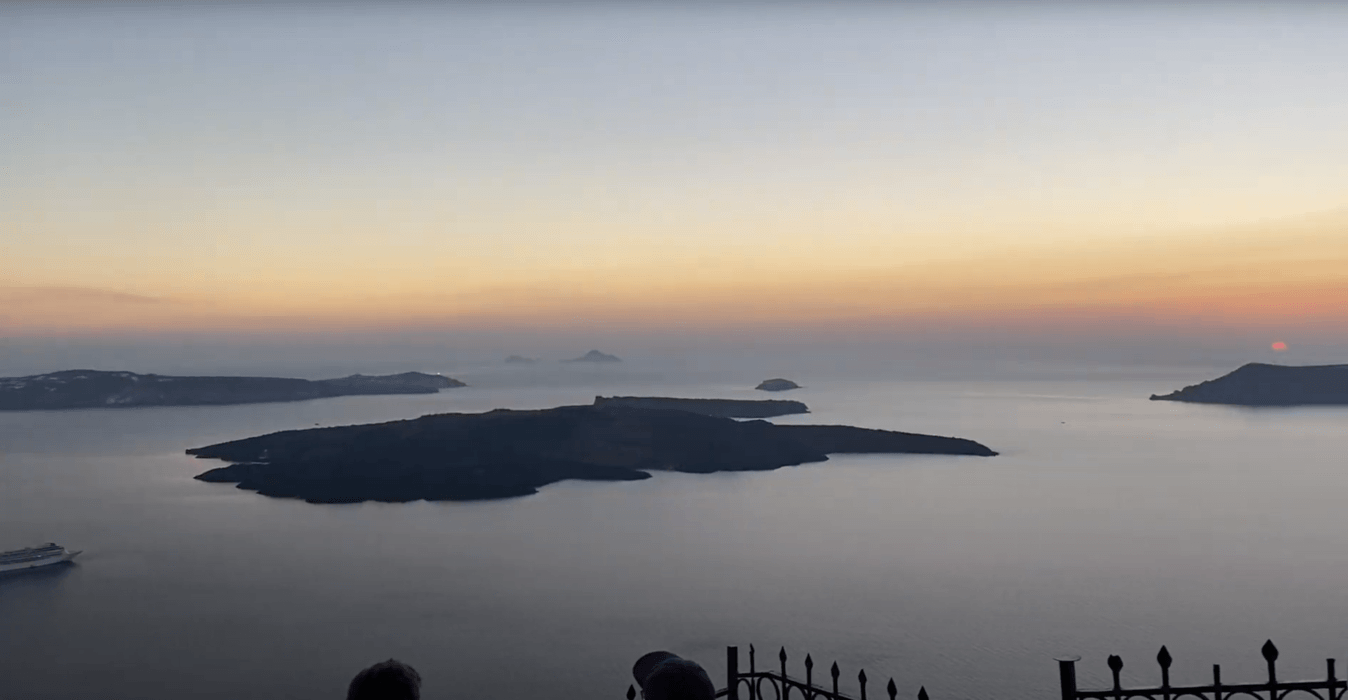
The volcano on Santorini is part of the Hellenic Volcanic Arc. It’s a still-active system centered in the island’s caldera, with the most recent eruptions forming the islets Nea Kameni and Palea Kameni. Its most famous eruption occurred around 1600 BCE—the Minoan eruption—one of the largest in human history. It reshaped the island into its ...

Santorini named after Saint Irene descriptive

📍 The Chapel of Saint Irene (Perissa, Santorini) The name **Santorini** is widely believed to originate from a now-ruined church dedicated to **Saint Irene**, located near the village of Perissa on the island’s southeastern coast. At the foot of **Mesa Vouno mountain**, archaeologists uncovered the remains of a large early Christian basilica dating back to ...

Santorini – Caldera

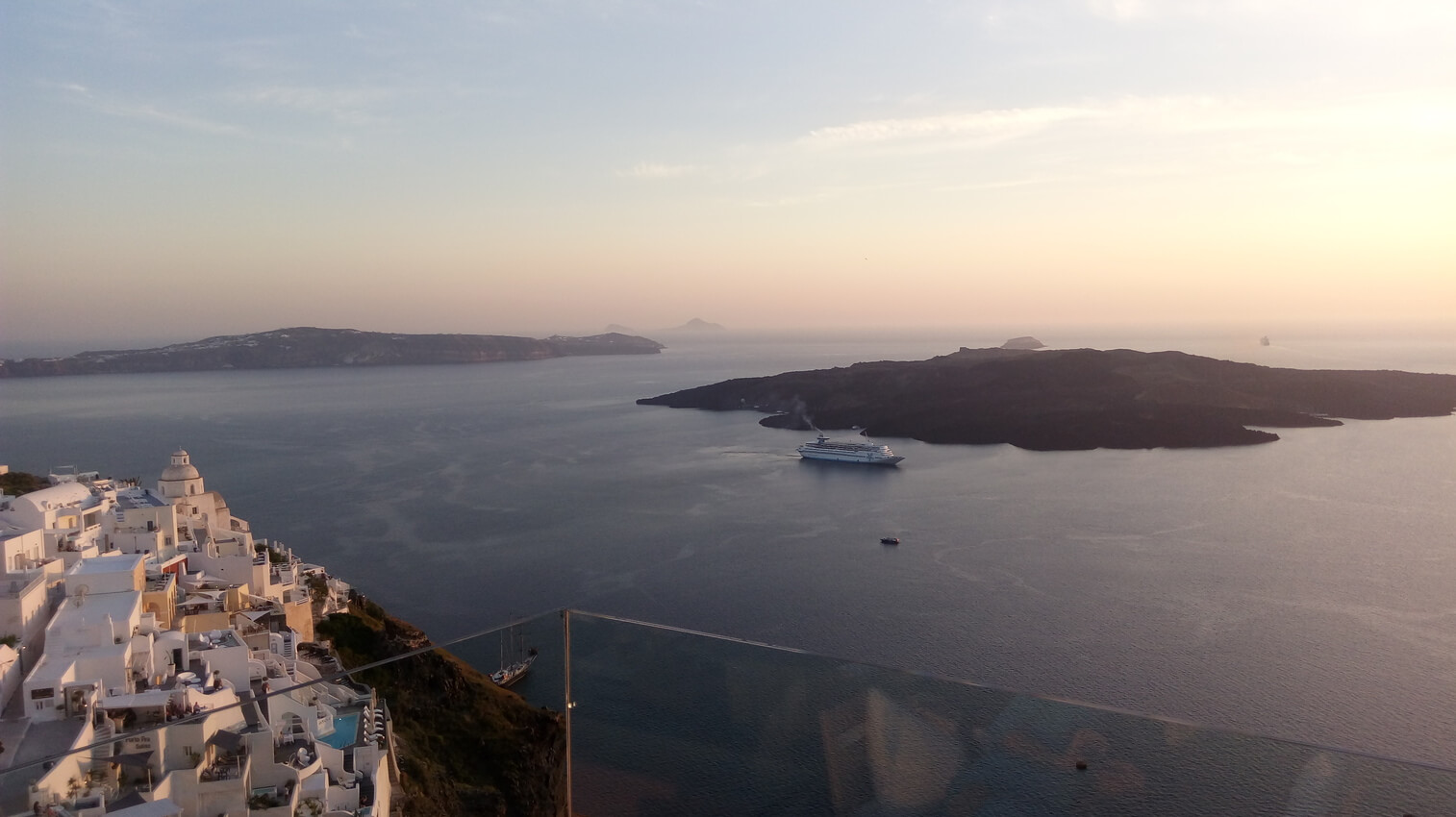
The caldera of Santorini is a vast, water-filled volcanic basin formed by one of the most powerful eruptions in human history around the 16th century BCE. When the island’s volcano collapsed inward after the eruption, it created a massive crater that was later flooded by the Aegean Sea. Today, steep, multicolored cliffs—layered in ash, lava, ...

The best view on Santorini

The best view on Santorini is widely considered to be from Imerovigli, especially near Skaros Rock. Perched at the highest point along the caldera, it offers a sweeping, unobstructed panorama of the volcanic basin, deep blue sea, and surrounding cliffs—without the heavy crowds found elsewhere. While Oia is famous for its sunset, it can feel ...